
Last updated
How Often Does a Septic Tank Need Cleaning?
Three to five years covers most Gainesville homes, but the real driver is usage, not the calendar. A family of five fills a tank faster than a retired couple in the same size house. Garbage disposals push more solids into the tank and shorten the interval. If you are unsure where your system falls, our septic pumping service page walks through the variables, and septic tank cleaning covers what a full service visit includes. Tank size matters as much as household size: a smaller tank on a busy household might need attention closer to the 3 year mark, while a larger tank under light use can stretch toward 5. Skipping pumping does not save money. It just moves the cost to a repair bill, and sometimes to a full emergency septic service call after a backup. If you are budgeting, septic tank pumping cost breaks down what a routine visit runs versus an emergency one.
What Are the Warning Signs a Septic Tank Needs Pumping?
Slow drains, gurgling pipes, and standing water near the drain field are the first things homeowners notice, and by then the tank is likely past due. A sewage smell inside or outside the house is a louder signal, and grass that is suddenly greener or soggier over the drain field usually means the system is surfacing effluent it should be absorbing underground. Our septic tank warning signs page goes deeper into each of these. None of these signs are subtle once they show up, which is why routine pumping on a 3 to 5 year schedule beats waiting for symptoms. Homes near Alachua, about 15.3 miles northwest of Gainesville, and Newberry, 19.4 miles west, run into the same well-and-septic patterns, since a lot of the county sits outside city sewer lines. If your household is on the edge of the interval and starting to see any of these signs, it is worth scheduling the pump-out early rather than waiting for the next scheduled year.

Do Restaurants and Businesses Need Different Service?
Yes. Grease interceptors are not the same as residential septic tanks, and they run on a completely different clock. A grease interceptor gets pumped once fats, oils, grease and solids reach 25 percent of the liquid depth, which for a busy Gainesville kitchen can happen in weeks, not years. That is a measured trigger point, not a fixed calendar date, so restaurants need regular checks rather than a set annual date. Our grease trap pumping page covers that service separately. Commercial properties without full sewer connections sometimes lean on a holding tank rental for temporary capacity during construction or renovation, which is a different product from a septic tank and gets pumped on a use-based schedule instead of a multi-year one. If you are running a job site with portable facilities alongside septic work, construction site services and construction dumpster rental both tie into the same property.
Where Does Pumping Fit With Other Site Services?
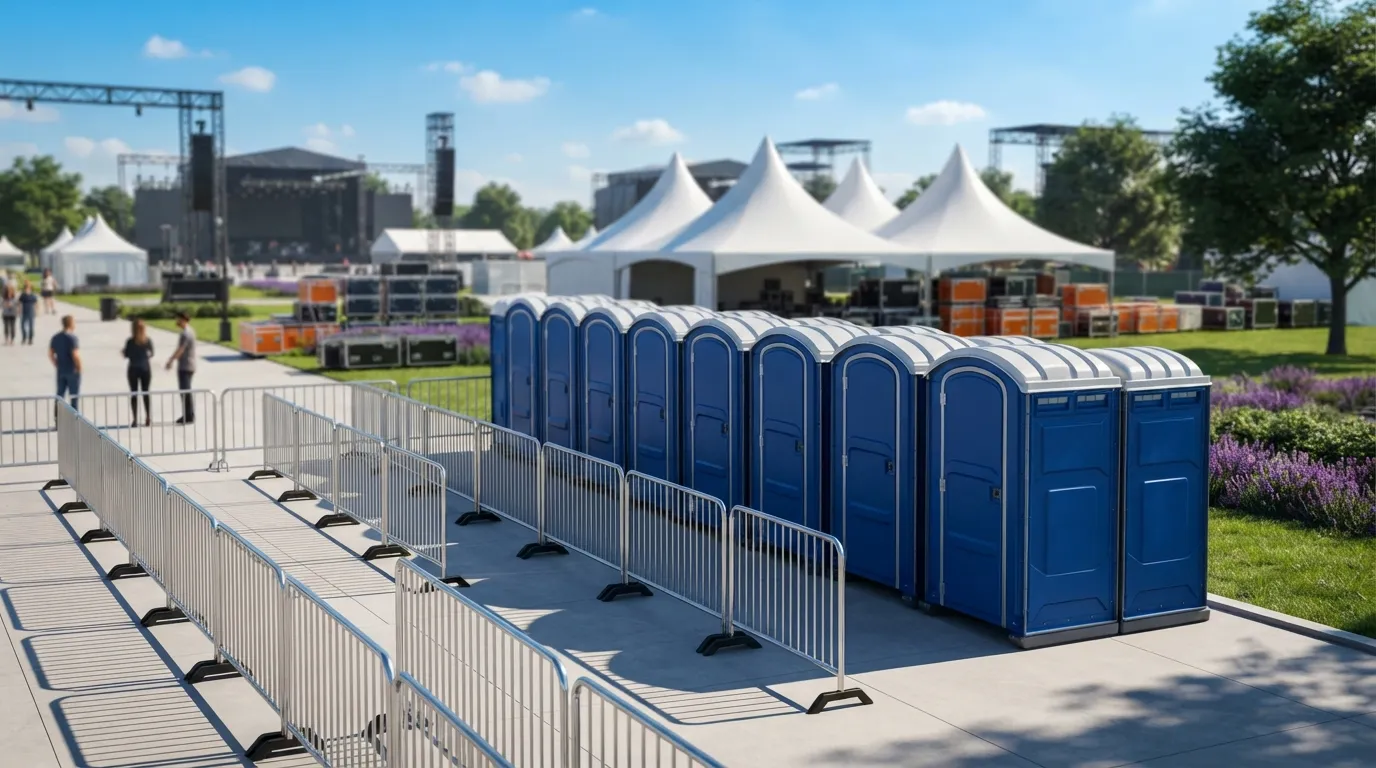
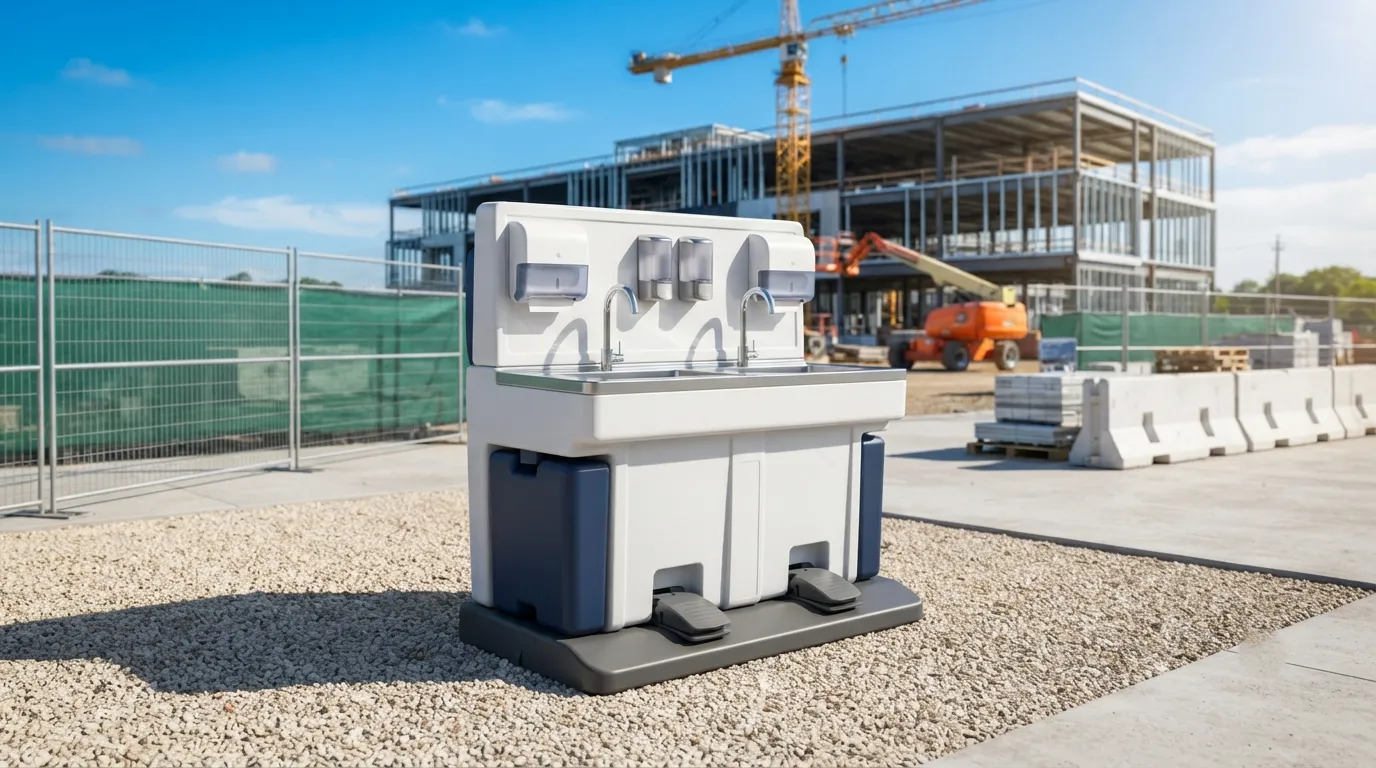
Septic pumping rarely happens in isolation on a working property. Home renovation projects that disturb a drain field often need a home renovation porta potty on site while the septic system is inaccessible, and larger jobs may need a portable restroom rental or a full portable toilet rental setup for crew use. If a septic failure forces a temporary fix, a holding tank rental can bridge the gap until the tank is pumped and repaired. Farms around Gainesville dealing with well-and-septic limitations for field crews should also look at farm and agricultural restrooms, since OSHA 1928.110 sets a one-facility-per-20-employee standard for hand-labor operations, with facilities required within a quarter mile walk. Construction crews working near a septic line should also check general sanitation obligations under OSHA 1926.51(c)(1), which sets toilet counts by crew size on a job site, separate from any septic question. For general handwashing setups on the same property, see handwashing station rental and handwashing requirements.
How much does septic pumping cost in Gainesville?
A standard residential pump-out runs in the range covered on our septic tank pumping cost page, with day rates and weekend rates differing based on scheduling. Emergency calls after hours or during a backup cost more than a scheduled visit, so booking ahead when you notice early signs saves money over waiting for a failure.
What size is a typical septic tank?
Most Gainesville homes run a 1,000 gallon tank, though household size and local soil conditions can change that. Tank size is one of the two main factors, alongside household size, that determines whether you land closer to the 3 year end or the 5 year end of the pumping interval.
Can I pump my own septic tank?
No. Septic pumping requires a vacuum truck and proper disposal, which residential owners do not have access to. Attempting it yourself risks damage to the tank and improper waste handling, so this is a job for a licensed service every time, not a DIY project.
Does a garbage disposal affect pumping frequency?
Yes. Garbage disposals add more solid waste to the tank, which fills the solid layer faster and can shorten the pumping interval below the standard 3 to 5 year range. Households with heavy disposal use should lean toward the shorter end of that window.
What happens if I skip pumping too long?
Skipping pumping lets solids build past capacity, which pushes waste into the drain field and can cause backups, standing water, and costly repairs. It is far cheaper to pump on schedule than to repair a failed drain field afterward, so treat the 3 to 5 year window as a real deadline, not a suggestion.
Next step
Get a delivery date
Tell us the address, the dates and the headcount. We size the order and confirm the route.